





Before

After


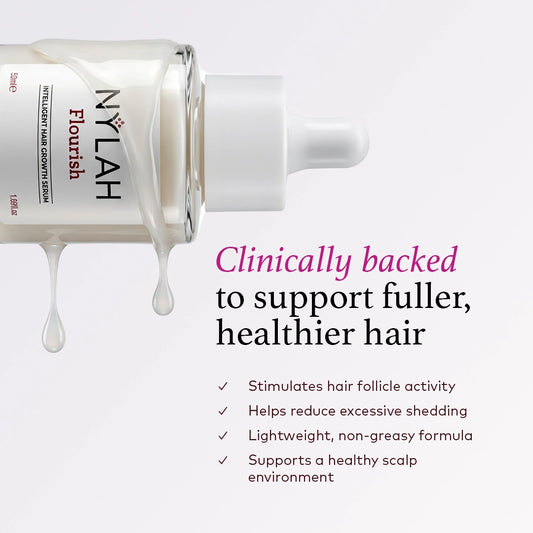
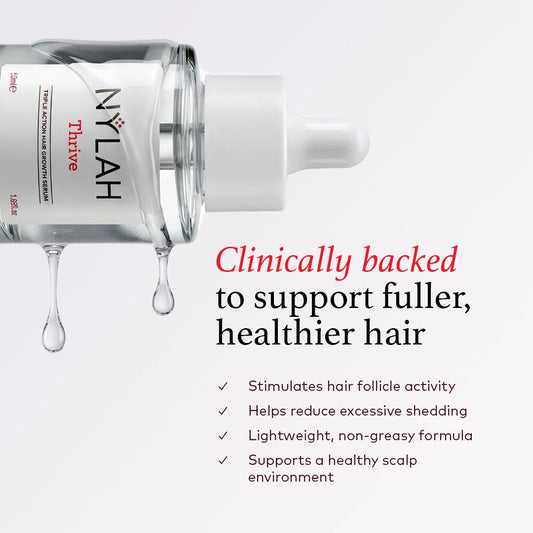
Thrive Triple Action Hair Growth Serum
£42.95

IS YOUR HAIR THINNING?
Thinning hair can develop gradually and may show up as reduced hair density, a widening part, thinning edges, a receding hairline or increased breakage. Recognising these early signs and supporting your hair and scalp with the right care can help maintain stronger, healthier-looking hair.


IS YOUR HAIR CHANGING
Hair thinning can affect different areas of the scalp, including the hairline, edges, temples, crown and overall hair density. It can happen gradually or more suddenly, depending on factors such as genetics, hormonal changes, stress, nutrition, scalp health, certain hairstyles and everyday hair practices. Understanding what may be contributing to hair thinning is an important first step towards choosing a routine that supports a healthy scalp, helps protect existing hair and promotes stronger, healthier-looking hair.
Repeated tension from braids, ponytails, wigs, and weaves can place stress on the hairline.
Frequent heat styling, colouring, or chemical treatments can weaken delicate edge hairs.
Changes after pregnancy, menopause, or hormonal imbalances may contribute to increased shedding.
Periods of physical or emotional stress can temporarily affect the hair growth cycle.
A dry, irritated, or unhealthy scalp may impact the appearance of healthy hair growth.
Hair and hairline thinning can develop gradually, with changes often becoming more noticeable over time. It can affect people of all ages and may be influenced by factors such as genetics, hormonal changes, stress and lifestyle. While some types of thinning may be temporary, others can progress without consistent care. Supporting your scalp and hair early with a targeted routine can help maintain healthier-looking hair, strengthen the appearance of thinning areas and support healthy growth where possible.


For early hair thinning
For persistent thinning


Targeted care for thinning and shedding


For early hair thinning and shedding
Activate scalp hair growth

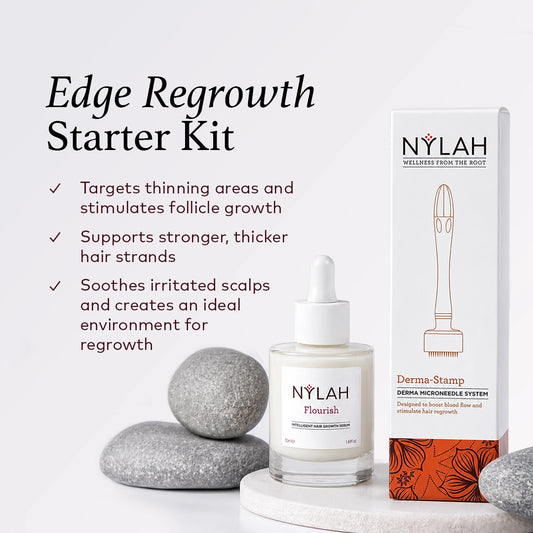
Precision care for fuller-looking edges.

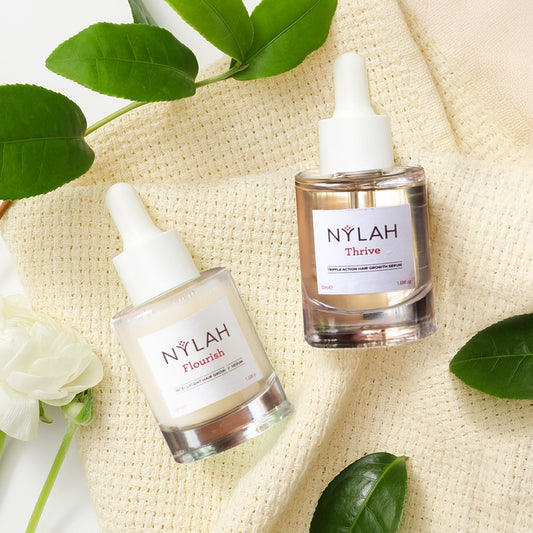
Targeted care for thinning and shedding

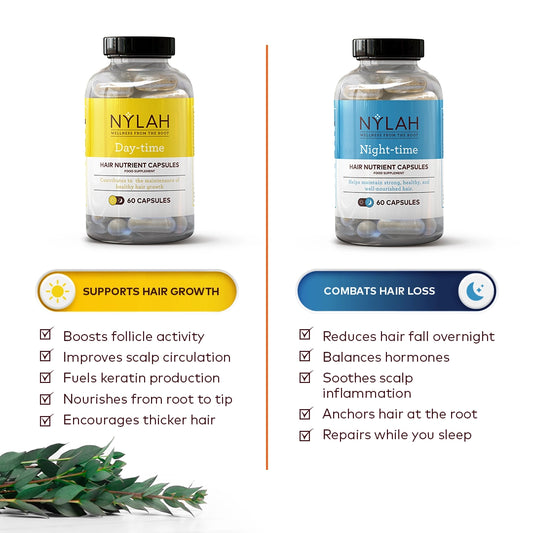
24/7 nourishment for hair growth
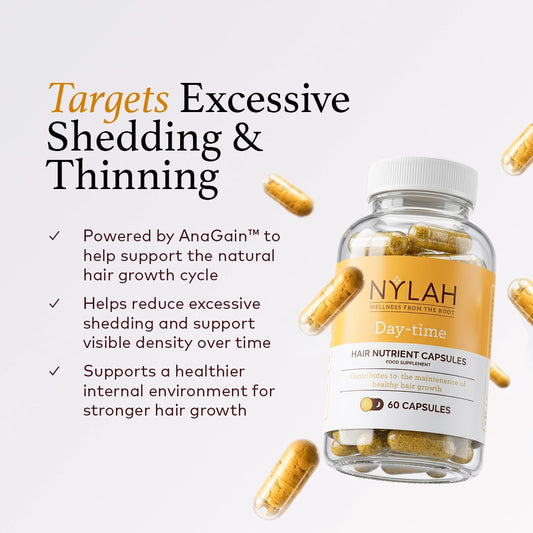
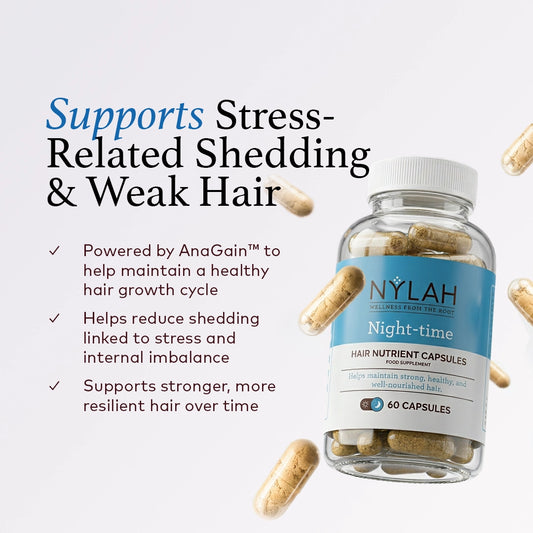
Delivers nutrients to strengthen hair
Overnight support to strengthen hair


Complete system for hair growth


Targeted care for early thinning.


Targeted care for advanced hair loss.




Non-invasive treatment

Easy daily routine

Science-backed ingredients

Designed to support hair breakage
Hair growth is a gradual process, but many women begin noticing improvements in the look and feel of their hair with consistent use over several months.


Scalp Reset & Early Growth Phase
The scalp may begin to feel more balanced, with reduced dryness, irritation, and shedding. Hair can feel stronger at the root, with early signs of reduced breakage and fine new growth possible.
Active Growth & Strength PhaseEarly stage
Hair may look healthier overall, with improved length retention and better scalp coverage. Continued use is typically recommended to help maintain and support ongoing results.
Visible Length & Density Phase
Hair appears visibly thicker, denser, and healthier. Length retention improves, and shine, softness, and overall hair quality are more noticeable.

Scalp Reset & Early Growth Phase
The scalp may begin to feel more balanced, with reduced dryness, irritation, and shedding. Hair can feel stronger at the root, with early signs of reduced breakage and fine new growth possible.

Active Growth & Strength PhaseEarly stage
Hair may look healthier overall, with improved length retention and better scalp coverage. Continued use is typically recommended to help maintain and support ongoing results.

Visible Length & Density Phase
Hair appears visibly thicker, denser, and healthier. Length retention improves, and shine, softness, and overall hair quality are more noticeable.

Short supporting text


Step 01
Apply directly to the affected areas of the scalp 1 or 2 times daily, depending on the severity of the condition.

Step 02
Massage gently with fingertips to help stimulate circulation.

Step 03
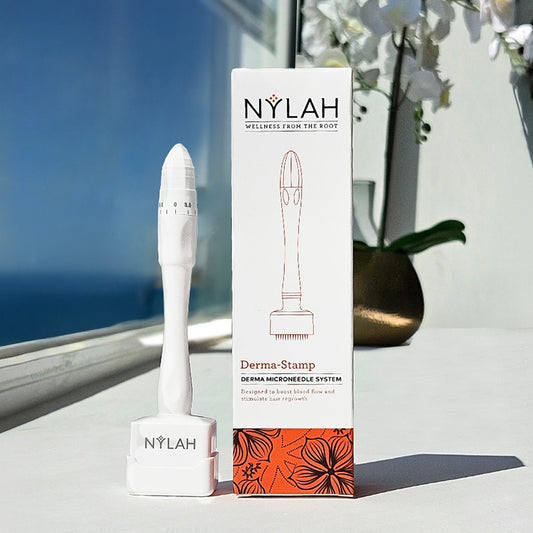
Use serum daily with your derma stamp routine. For best results, use consistently for 12+ weeks.
Helps reactivate dormant beard follicles, supporting thicker, fuller-looking hair growth.

Helps nourish the scalp to support healthier follicles and thicker-looking growth.

Exfoliates the skin beneath your beard to reduce buildup and flakes

Helps block DHT to support healthier hair follicles.

Clinically proven to reactivate dormant follicles for thicker, denser growth

Stimulates circulation to energise follicles and support growth

Shop the products our customers love

Early signs can include a widening part, thinner edges or temples, a receding hairline, reduced hair density, increased breakage or a ponytail that feels less full. Hair thinning can develop gradually, so changes may be subtle at first.
Hair thinning can have many possible causes, including genetics, hormonal changes, stress, certain health conditions, tight hairstyles, heat and chemical damage, and everyday hair practices. The cause can vary from person to person.
Yes. Repeated tension from tight braids, cornrows, ponytails, extensions and similar styles can cause breakage and traction-related hair loss. If a hairstyle feels painful or pulls tightly on your scalp, it may be causing unnecessary tension.
It depends on what's causing the thinning. Some types of hair loss can improve when the underlying cause is addressed, while others may require specific treatment. If you're experiencing ongoing or significant thinning, getting the cause identified can help you choose the most appropriate approach
Hair growth is gradual, so consistency and patience are important. You may notice changes in how your hair and scalp feel before seeing visible changes in thickness or density. The 90-day routine is designed to encourage consistent daily care rather than promise overnight results.
Thrive can be incorporated into a targeted hair-care routine for areas where you notice reduced density, including the edges and temples. For best results, use it consistently as directed and combine it with gentle hair-care practices that help minimise breakage and tension.
If your hair loss is sudden, severe, rapidly progressing, or accompanied by scalp pain, itching, inflammation or other unusual symptoms, it's worth speaking with a GP or dermatologist. Hair loss can have different causes, and identifying the cause is important when choosing treatment.